
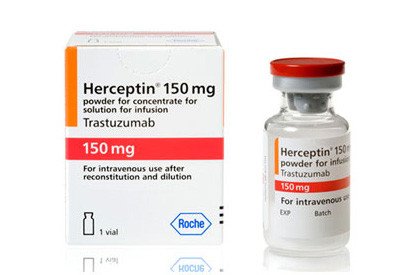
Product Overview
Trastuzumab is a targeted monoclonal antibody therapy developed for the treatment of HER2-positive cancers. It is widely used in oncology due to its precision, proven efficacy, and strong clinical support. Importantly, treatment is initiated only after confirmed HER2 overexpression, thereby ensuring appropriate patient selection and optimal therapeutic outcomes.
Mechanism of Action
First and foremost, Trastuzumab selectively binds to the human epidermal growth factor receptor 2 (HER2) located on cancer cells. As a result, intracellular signaling pathways responsible for tumor growth are inhibited. Additionally, immune-mediated mechanisms such as antibody-dependent cellular cytotoxicity are activated, which further enhances tumor cell destruction.
Approved Indications
Moreover, Trastuzumab is approved for the treatment of HER2-positive early-stage breast cancer, metastatic breast cancer, and metastatic gastric or gastroesophageal junction cancer. Therefore, it plays a central role in multiple oncology treatment protocols. In many cases, it is administered alongside chemotherapy or other HER2-targeted therapies to improve overall survival outcomes.
Dosage Forms and Administration
From a formulation perspective, Trastuzumab is available as an intravenous infusion and, in certain regions, as a subcutaneous injection. Consequently, healthcare providers can tailor administration methods based on clinical needs and patient convenience. Furthermore, several FDA- and EMA-approved biosimilars are available, ensuring consistent quality and expanded access.
Safety and Monitoring
However, careful patient monitoring is essential throughout treatment. Specifically, cardiac function assessments are required before and during therapy due to the potential risk of cardiotoxicity. Nevertheless, when monitoring guidelines are followed, Trastuzumab is generally well tolerated and manageable in clinical practice.
Clinical Evidence and Reliability
In addition, Trastuzumab has been extensively evaluated in large-scale clinical trials. Consequently, its safety profile, dosing regimen, and therapeutic benefits are well established. For this reason, it continues to be endorsed by leading international oncology guidelines and medical authorities.
Conclusion
In conclusion, Trastuzumab represents a highly effective and targeted therapy for HER2-positive cancers. Because of its proven mechanism, regulatory approval, and consistent clinical performance, it remains a trusted option in modern cancer treatment. Therapy should always be prescribed and supervised by qualified healthcare professionals.


Reviews
There are no reviews yet.