
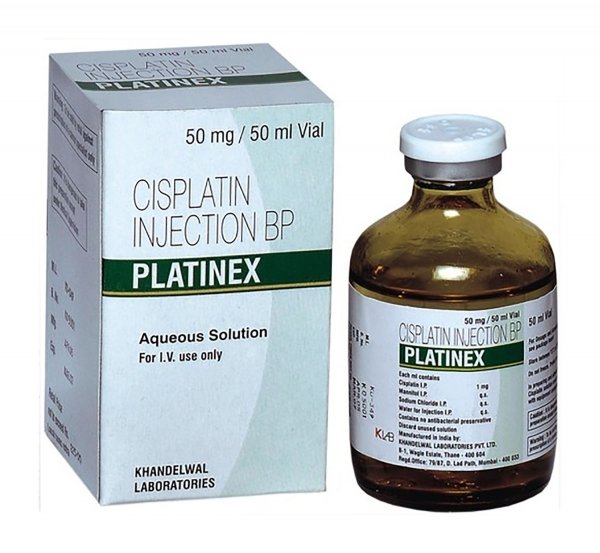
Cisplatin Injection – Platinum-Based Chemotherapy
Cisplatin Injection is a platinum-based chemotherapy medication used to treat various types of cancer. It is a powerful antineoplastic agent that works by damaging DNA in cancer cells, which prevents cell replication and leads to cell death. As a result, Cisplatin is widely used in oncology protocols and is considered a foundational drug in many chemotherapy regimens.
Mechanism of Action
First and foremost, Cisplatin forms platinum-DNA adducts that interfere with DNA replication and transcription. Consequently, cancer cells experience irreversible DNA damage, leading to apoptosis. Therefore, Cisplatin is effective against rapidly dividing tumor cells and is commonly included in combination therapies to enhance treatment outcomes.
Approved Indications
Moreover, Cisplatin Injection is indicated for a range of cancers, including testicular cancer, ovarian cancer, bladder cancer, lung cancer, and certain head and neck cancers. Consequently, it is a core component of many standard chemotherapy protocols, especially in curative and advanced-stage treatment plans.
Dosage Form and Administration
From a formulation standpoint, Cisplatin Injection is supplied as a sterile solution for intravenous infusion. Therefore, it must be administered by qualified healthcare professionals in a clinical setting. Additionally, dosing is individualized based on patient body surface area, renal function, and treatment protocol to ensure safety and effectiveness.
Safety and Precautions
However, Cisplatin carries significant safety considerations, particularly nephrotoxicity and ototoxicity. Specifically, patients require prehydration, renal function monitoring, and periodic hearing assessments during treatment. In addition, it may cause nausea, vomiting, and myelosuppression. Nevertheless, when administered with proper supportive care, Cisplatin remains a key chemotherapy agent.
Conclusion
In conclusion, Cisplatin Injection is a highly effective platinum-based chemotherapy drug used in multiple cancer treatments. Because of its established efficacy and broad clinical application, it remains an essential component of oncology practice. However, due to potential serious side effects, it must be administered and monitored by qualified oncology professionals.



Reviews
There are no reviews yet.